


Events and Lectures
Current event:
International Museum Day
Guided tours and open house
.jpg)
Upcoming events:
Armenia before the Parliamentary Elections – quo vadis?
On June 7, 2026, a new parliament will be elected in the Republic of Armenia. Lepsiushaus Potsdam and the German-Armenian Society invite you to a panel discussion on Armenia's social and political situation in the run-up to the elections.
Past events:
Commemorations in Germany to mark the 111th anniversary of the Armenian Genocide
Commemorative events will be held throughout Germany to mark the 111th anniversary of the Armenian Genocide from April 19 to 26, 2026 — from intercession prayers to concerts and film screenings to panel discussions

Johannes Lepsius: Armenians assistant and documentarian of their destruction.
A presentation by Dr. Roy Knocke about the theologian Johannes Lepsius on the occasion of the 100th anniversary of his death.
Exhibition : The history of the German Missions for Armenians in the Ottoman Empire 1896-1919
Exhibition from 23.03.-11.05.2026 in cooperation with the Honorary Consulate of the Republic of Armenia in Saxony and St. Nicholas Church in Lepizig.

The Armenian Catholic Church: Origin-History-Present.
The presentation traces the theological and liturgical identity, highlights key stages between Cilicia, Constantinople and the diaspora as well as experiences of persecution, migration and new beginnings.
Homo Politicus - A short film by Hacı Orman
Film screening with discussion in the presence of the director

International Conference: The Armenian Genocide, 110 Years After
Scientists from Armenia, Germany, France, Poland, Lebanon, Switzerland and Turkey will present and discuss recent research off the beaten track.
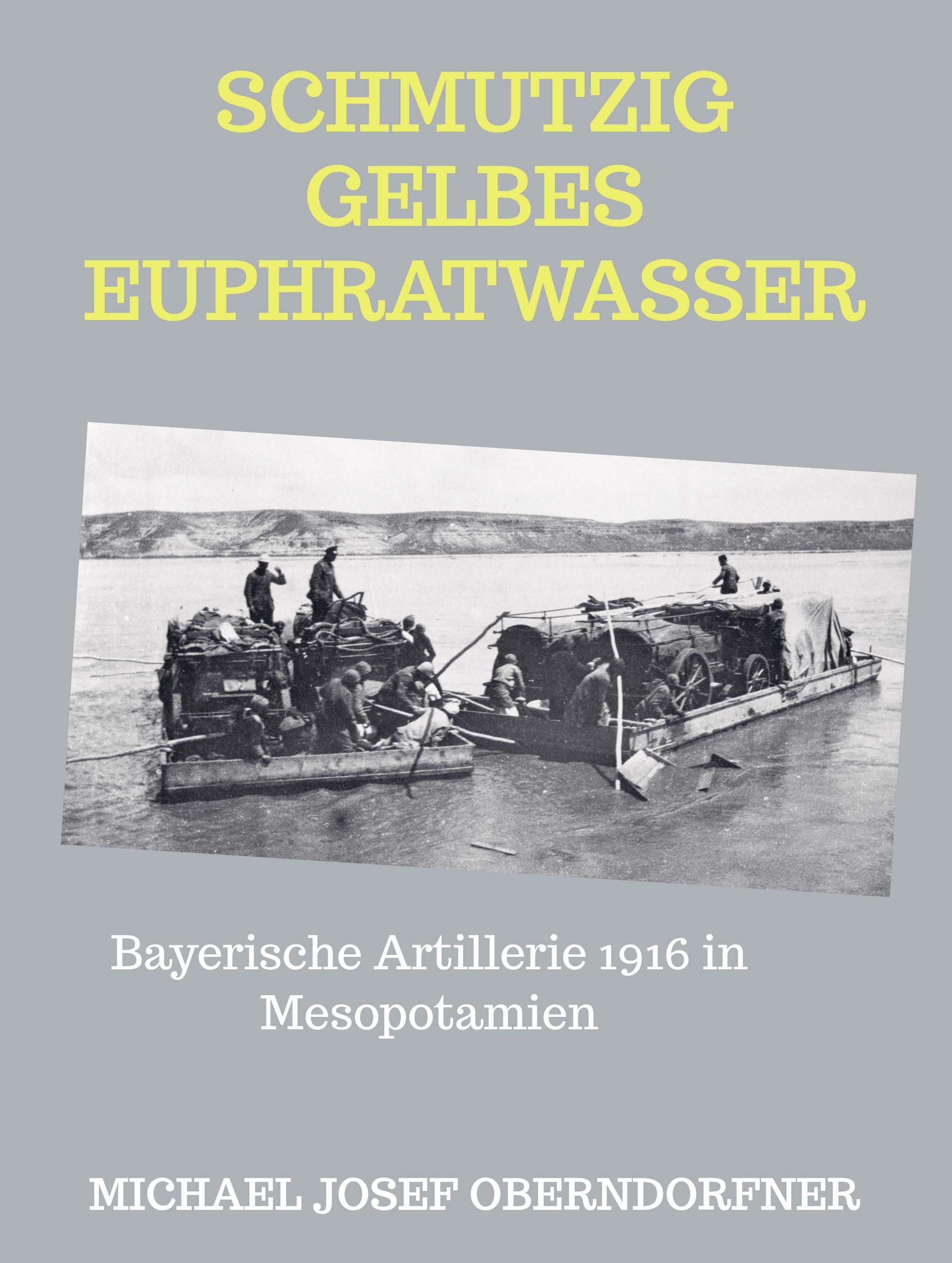
“Verkin” by David Wagner
Book presentation with author David Wagner

International Museum Day

War - Peace - Literature
Introduction, reading and discussion on works by Akram Aylisli (Azerbaijan) and Howiw Afjam (Armenia)
Traces of War.
Presentation of the documentation and discussion with Jana Richter.

Humanism and Christian Mercy. History of German missions for Armenians in the Ottoman Empire 1896—1919
The newly published book “Humanism and Christian Mercy” by Hayk Martirosyan examines the activities of German Protestant and Catholic missions among Armenians in the Ottoman Empire between 1896 and 1919. For the first time, the history of all main stations, their areas of activity and the lives of missionaries as witnesses of mass violence against the Armenians is presented in detail.

The Armenian Church and its theology after the 1915 genocide
What has the Armenian Apostolic Church done to provide concrete support to survivors as well as on a theological level to deal with this trauma with later generations? With: Dr. Harutyunyan
Armenian genocide - legal and ideological aspects
A joint event with the Armenian Genocide Museum Institute (Yerevan) and the Max Weber Network Eastern Europe.

“Jewish Living Environments in the Ottoman Empire”
In this volume, transnational and interdisciplinary individual studies, the diversity of Jewish living environments in various intercultural communication spaces and in the context of acceptance and rejection, cultural transfer and economic relations is addressed.

Destroyed diversity. Genocide and Culture from a Historical Perspective
The symposium is dedicated to the phenomenon of “cultural genocide,” “ethnocide,” the destruction of a group's cultural identity through forced assimilation, and thus reveals a global, historical understanding of patterns and practices of cultural destruction.
The Armenian Genocide — Retrospectives and Perspectives
On the 90th anniversary of the publication of Franz Werfel's historical novel: The Forty Days of Musa Dagh

Armenia, Germany and the EU. Developments in stormy times
“I want to live!” Armenia's Wounds, Strength, and Hope
A multimedia journey through the history of Armenia by and with Heinrich Geuther.

International Museum Day
As part of International Museum Day, the "Kultur am Pfingstberg" association organizes various events with the cultural and memorial sites located here.
“I have killed but I am not a murderer.”
The Armenian Genocide, Victims' Revenge, and the Secret Operation Nemesis

Artsakh's cultural heritage
“Rescuer or perpetrator? A general between reason of state and morality: Otto Liman von Sanders and the Armenian Genocide”
In the First World War, the German Reich decided for political reasons not to do anything serious to prevent the Ottoman ally from genocide against the Armenians. But high-ranking officer Otto Liman von Sanders, head of the German military mission in the Ottoman Empire since 1913, pulled out of this collaboration.

Armenia — quo vadis?
Panel discussion with Tessa Hofmann, Chair of the Recognition Group (AGA), and Hans-Jochen Schmidt, former Ambassador, moderated by Roy Knocke (Lepsiushaus Potsdam)
Webinar: Pathways to Lasting Justice in the Middle East
Pathways to lasting justice: Addressing genocide and ending human rights violations in the Middle East
Reading and discussion: “Apricot time, dark”
Corinna Kulenkamp reads from her novel “Apricot Age, Dark” and thus gives us a glimpse of Armenian history (s) and identity (s).
When democracy died — The Middle East Peace of Lausanne and the birth of Turkey in 1923
Book presentation with discussion
National development and minority rights in the Turkish Republic
Two-day event